


Shop Best Sellers
-
Quad Short: Natural Fiber Short - Black
Regular price $90.00 USDRegular priceUnit price per -
Quad Short: Natural Fiber Short - Glacier Grey
Regular price $90.00 USDRegular priceUnit price per -
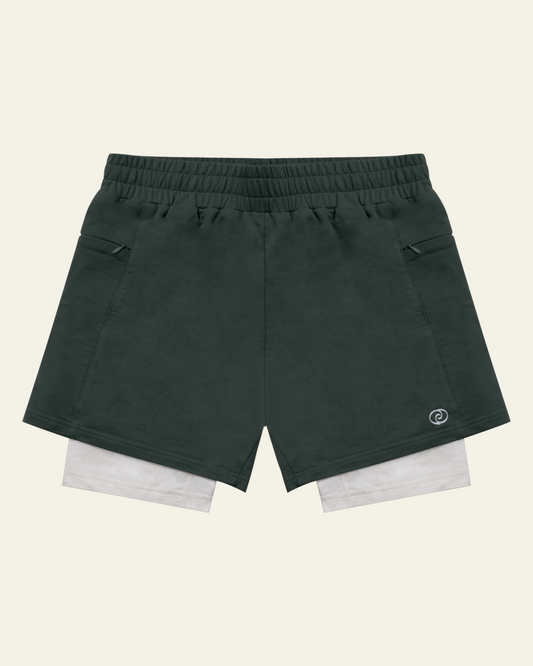
Quad Short: Natural Fiber Short - Pine
Regular price $90.00 USDRegular priceUnit price per -
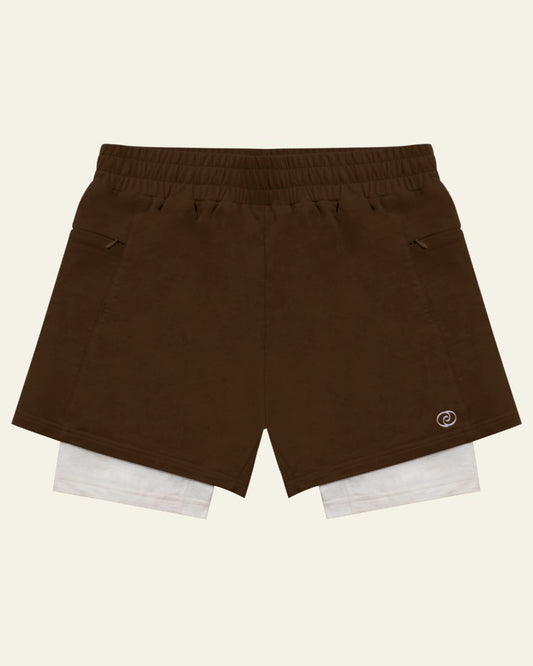
Quad Short: Natural Fiber Short - Cacao
Regular price $90.00 USDRegular priceUnit price per -
Quad Short - 3 Pack: Natural Fiber Shorts
Regular price $250.00 USDRegular priceUnit price per$270.00 USDSale price $250.00 USDSale -
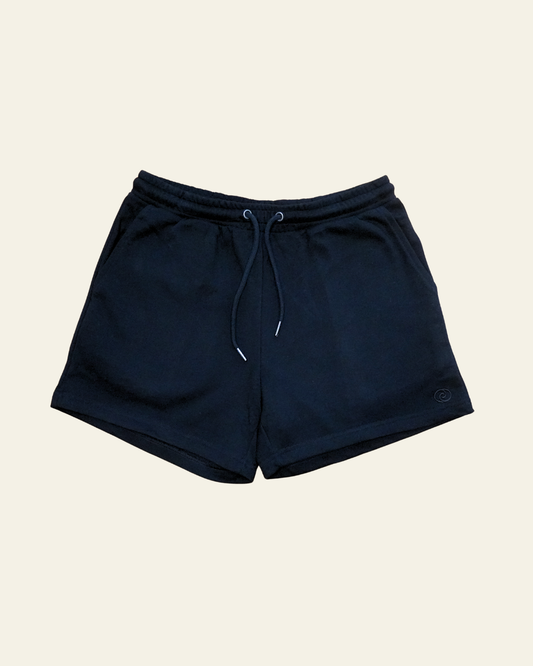
Classic Short: Organic Cotton Short - Black
Regular price $55.00 USDRegular priceUnit price per -
Classic Short: Organic Cotton Short - Walnut Brown
Regular price $55.00 USDRegular priceUnit price per -
Classic Short: Organic Cotton Short - Slate Blue
Regular price $55.00 USDRegular priceUnit price per -
Classic Short - 3 Pack: Organic Cotton Shorts
Regular price $150.00 USDRegular priceUnit price per$165.00 USDSale price $150.00 USDSale -
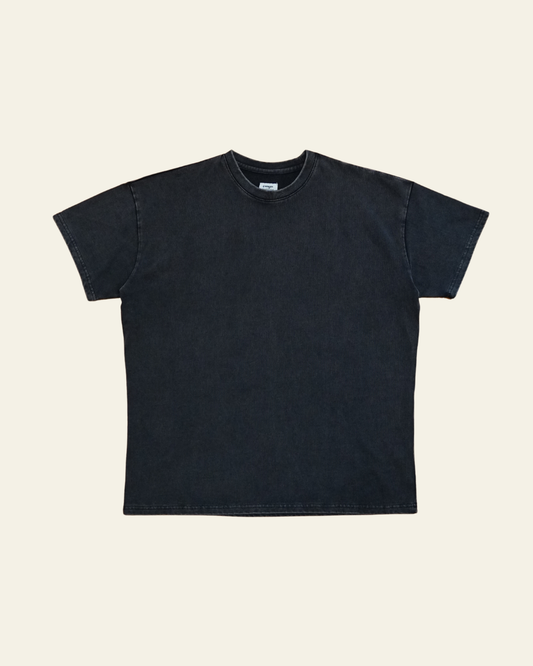
Only Tee: Organic Cotton Tee - Vintage Black
Regular price $45.00 USDRegular priceUnit price per -
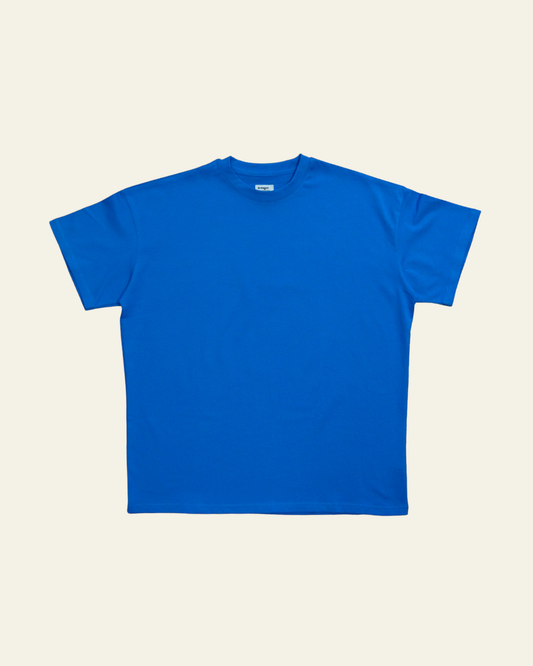
Only Tee: Organic Cotton Tee - Cobalt
Regular price $45.00 USDRegular priceUnit price per -
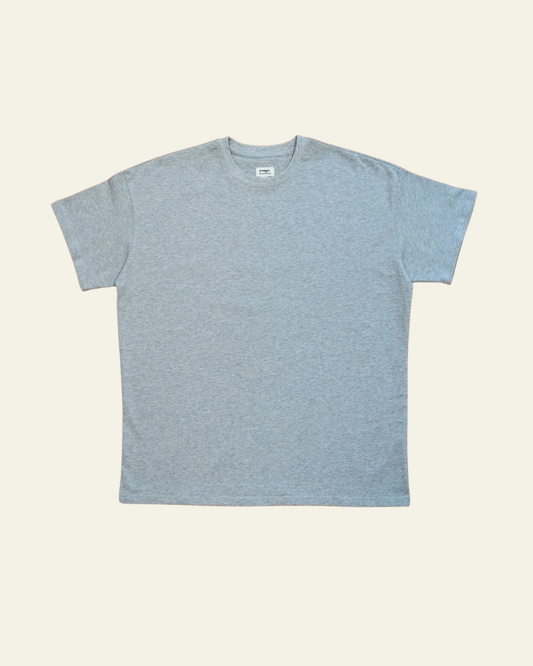
Only Tee: Organic Cotton Tee - Heather Grey
Regular price $45.00 USDRegular priceUnit price per -
Only Tee - 3 Pack: Organic Cotton Tees
Regular price $120.00 USDRegular priceUnit price per$132.00 USDSale price $120.00 USDSale -
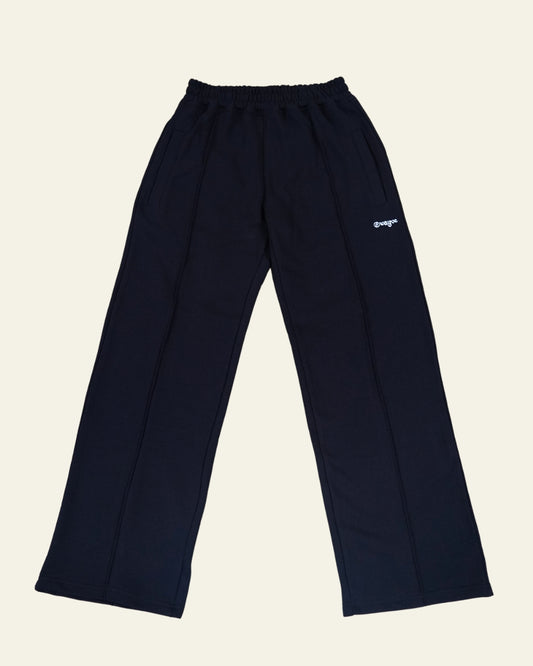
Core Sweatpant: Organic Cotton Sweatpant - Black
Regular price $120.00 USDRegular priceUnit price per -
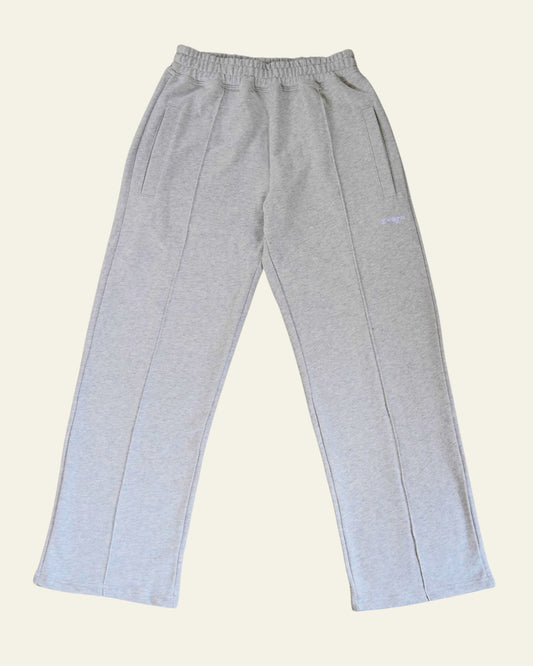
Core Sweatpant: Organic Cotton Sweatpant - Heather Grey
Regular price $120.00 USDRegular priceUnit price per






Most clothes are made of plastic. Ours are made from the Earth.
Your skin is your largest organ and acts like a sponge. When you wear plastic-based clothes (polyester, nylon, spandex), they release microplastics and toxins that get absorbed directly into your body.
That’s why Wayve only uses natural fibers like organic cotton and merino wool. They let your body breathe, protect your health, and biodegrade when you're done with them.

Shop Flow Set
-
Flow Set: Merino Wool Biker Set
Regular price $188.00 USDRegular priceUnit price per -
Flow Top: Merino Wool Tank - Cherry Blossom
Regular price $94.00 USDRegular priceUnit price per -
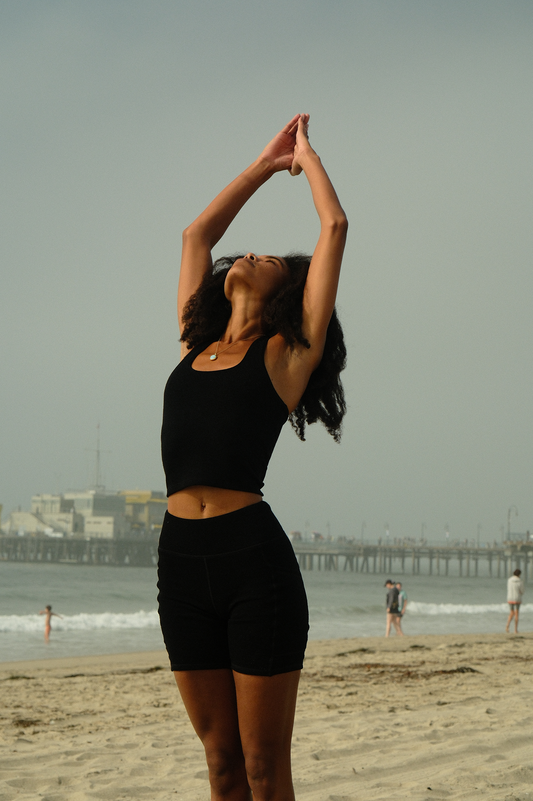 Sold out
Flow Top: Merino Wool Tank - Black
Regular price $94.00 USDRegular priceUnit price per -
Flow Short: Merino Wool Biker Short - Cherry Blossom
Regular price $94.00 USDRegular priceUnit price per -
Flow Short: Merino Wool Biker Short - Black
Regular price $94.00 USDRegular priceUnit price per

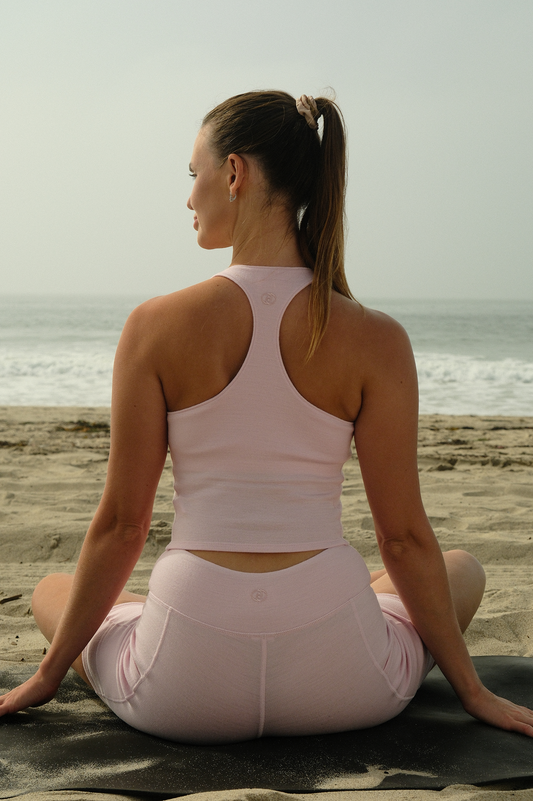
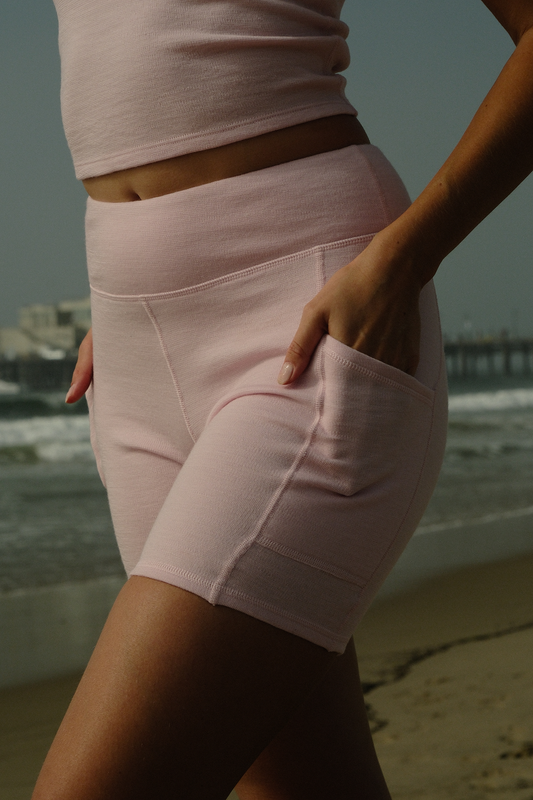
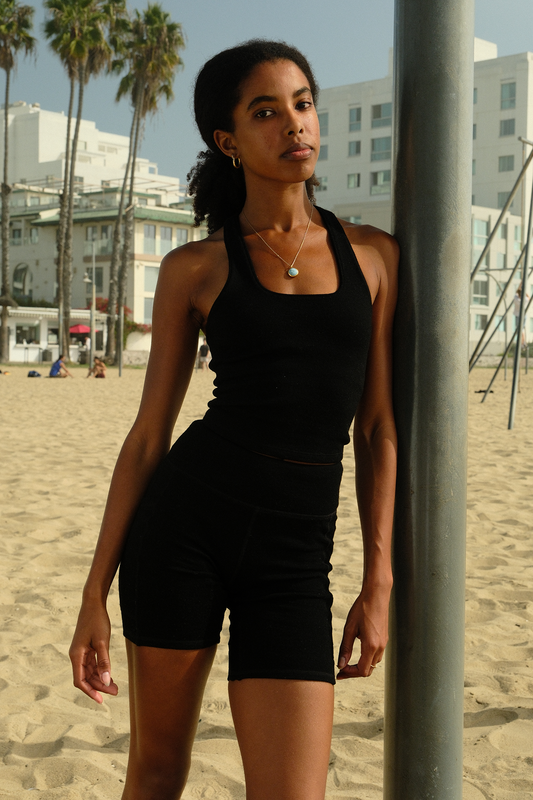
Trusted by Thousands
Designed for comfort, style, and performance.
Premium
Quality

100% Merino Wool
Flow Set
Tested For
Durability

Timeless
Essentials

Made For
Movement
Premium
Quality
100% Merino Wool
Flow Set
Tested For
Durability
Timeless
Essentials
Made For
Movement
Premium
Quality
100% Merino Wool
Flow Set
Tested For
Durability
Timeless
Essentials
Made For
Movement
Shop By Style
-

Bundles & Sets
Get more Wayve for less — bundles & sets of our organic...


Bundle & save
-
Classic Short - 3 Pack: Organic Cotton Shorts
Regular price $150.00 USDRegular priceUnit price per$165.00 USDSale price $150.00 USDSale -
Flow Set: Merino Wool Biker Set
Regular price $188.00 USDRegular priceUnit price per -
Quad Short - 3 Pack: Natural Fiber Shorts
Regular price $250.00 USDRegular priceUnit price per$270.00 USDSale price $250.00 USDSale -
Only Tee - 3 Pack: Organic Cotton Tees
Regular price $120.00 USDRegular priceUnit price per$132.00 USDSale price $120.00 USDSale -
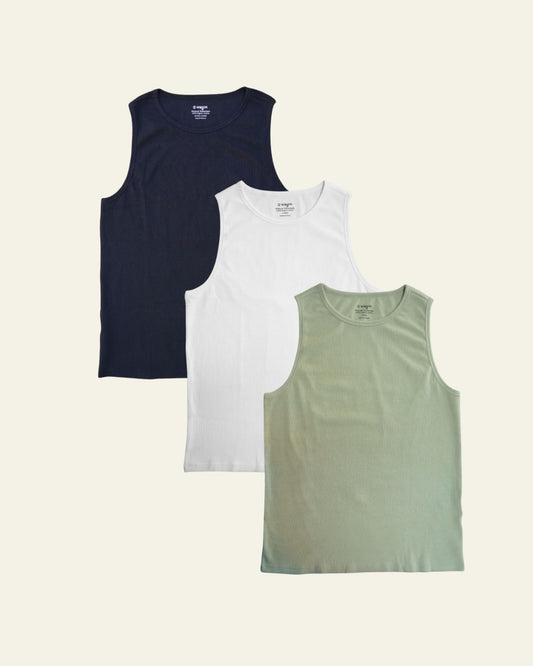
Essential Tank - 3 Pack: Organic Cotton Tanks
Regular price $135.00 USDRegular priceUnit price per$150.00 USDSale price $135.00 USDSold out

Look Good, Feel Good
At Wayve, this philosophy resonates deeply with us. We create clothing that blends health and style, so you can feel confident, comfortable, and at ease knowing that what you wear not only looks great, but is also made with your well-being in mind.
FAQ
Wayve makes 100% natural fiber activewear for men and women. Our core products include:
- Quad Short: dual-layer training short with an organic cotton shell and a merino wool compression liner. Made with GOTS-certified organic cotton.
- Only Tee: Midweight organic cotton tee. Drop shoulder, slightly oversized fit. No logos.
- Classic Short: Organic cotton everyday short. 5" inseam, brushed sweat fabric, three pockets.
- Flow Set: Merino wool biker set (cropped top + high-rise short). The best 100% merino wool biker set in activewear. RWS-certified wool.
GOTS (Global Organic Textile Standard): Certifies the entire production chain for organic cotton.
OEKO-TEX 100: Certifies that dyes and finishes contain no harmful substances.
RWS (Responsible Wool Standard): Certifies ethical treatment of sheep and land management.
Most activewear today is made from synthetic fibers like polyester, nylon, and elastane (or a blend of all three). These materials dominate the industry as over 60% of all clothing globally is now made from polyester alone. It’s cheap and easy for big brands to scale, but it comes with tradeoffs: less breathability, more odor retention, higher toxicity, and a lifetime of microplastic shedding.
Polyester, also known as PET (Polyethylene Terephthalate), is a man-made fiber created from petrochemicals. It’s made by turning crude oil into plastic pellets, which are then spun into yarn. It’s the most common textile on Earth and is produced at higher volumes than cotton, wool, linen, and hemp combined.
Recycled polyester (rPET) is another form of polyester. It is made by melting down plastic scrap such as used plastic bottles or industrial waste. It’s marketed as a sustainable solution, but the core issues remain. It’s still plastic that will shed microplastics and requires heavy chemical processing.
Recycling is good when the material stays in a closed loop. But when plastic becomes clothing, it enters a constant shedding cycle every time it’s worn or washed. Recycled or not, polyester breaks down into microplastics that move into waterways, air, soil, and ice.
The impact is huge and these microplastics take decades to biodegrade. In fact, recycled textiles contribute to 35% of global microplastic pollution. So while recycling does reduce waste in some capacity, its use in clothing introduces its own problems.
The short answer is: yes. Synthetic fibers don’t breathe the same way natural fibers do. They trap heat, sweat, and bacteria against the skin, which can lead to irritation, odor, and discomfort.
When polyester heats up, the chemical finishes used for stretch and wicking can also release more easily. And with every wear and wash, the garment sheds hundreds of thousands of microplastics.
These nano particles have clear links to health issues and have been detected in human bloodstreams and reproductive organs, signaling how quickly they can move into the body and environment.
Natural fibers come from plants and animals. Think organic cotton, merino wool, hemp, linen, silk, leather. They’re made by nature, not in a chemical reactor, and they behave differently on your skin: they breathe, they regulate temperature, they absorb moisture, and they don’t trap odor the way synthetics do.
Unlike polyester, which is a petroleum-based plastic, natural fibers don’t shed microplastics and they biodegrade instead of sitting in landfills for centuries. They keep you cooler, drier, and more comfortable than their synthetic counterparts.
Because what you put on your body matters just as much as what you put in it. Most activewear is made from synthetic fibers (polyester, nylon, spandex) which are all forms of plastic. And that plastic doesn’t just sit passively on the surface. With heat, sweat, and friction, these fibers shed microplastics and chemicals that move into the air, into the water, and eventually into us.
What does that mean long-term? Science is still catching up, but one thing is clear: plastic was never meant to live inside the human body.
Wayve’s philosophy is simple: natural living isn’t just about food. Everything you consume matters — sunlight, movement, the content you take in, the air you breathe, the water you drink… and yes, the clothing you wear for 10–16 hours a day. Your environment shapes your biology. Clothing is part of that environment.
We make plastic-free activewear because we believe your daily habits should work with your body, not against it. Natural fibers breathe, regulate heat, absorb moisture, and eventually return to the Earth without leaving toxins behind.
Yes. Wayve ships to the US and internationally. US orders over $150 ship free.
International shipping rates are calculated at checkout, and customers are responsible for international import duties and fees.
We also offer easy returns.