

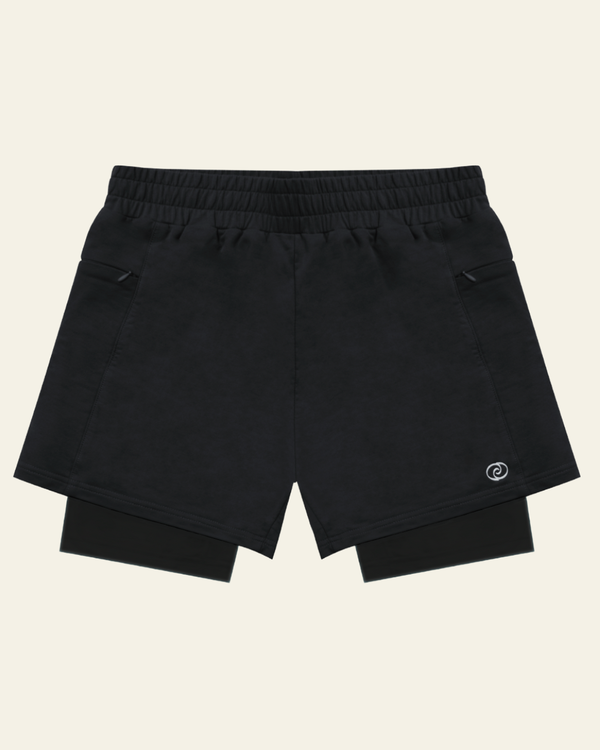
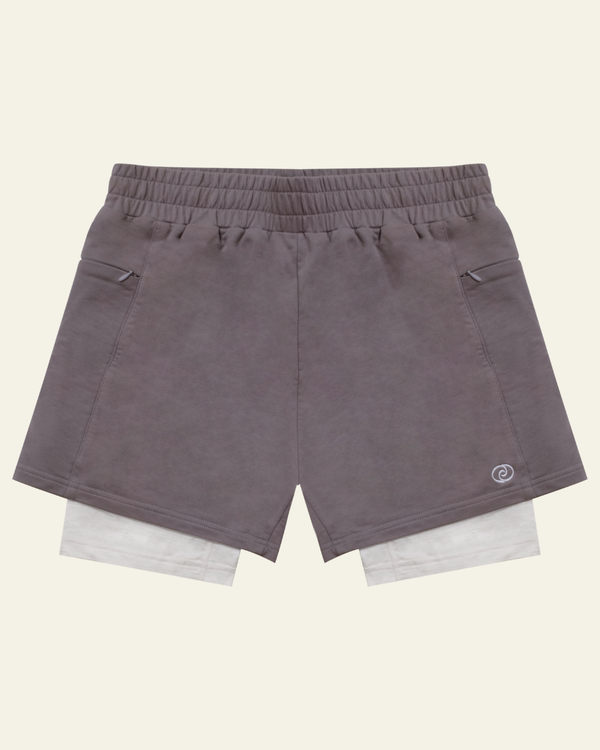
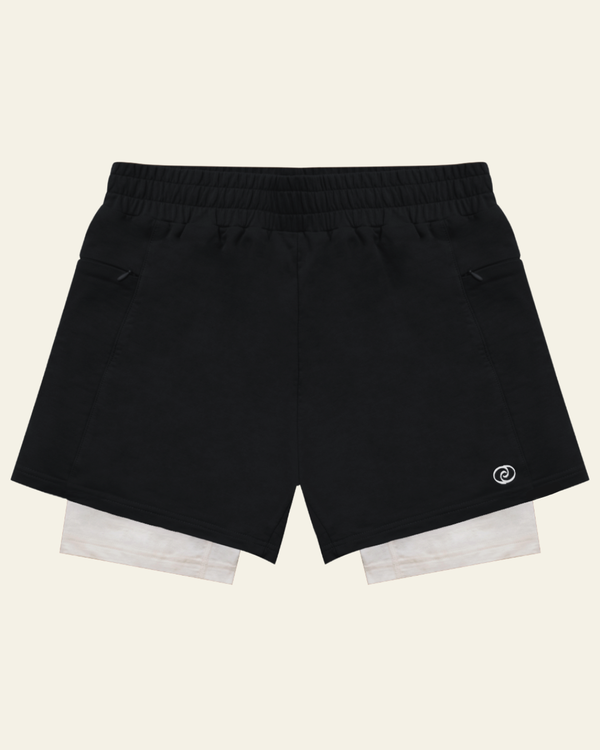
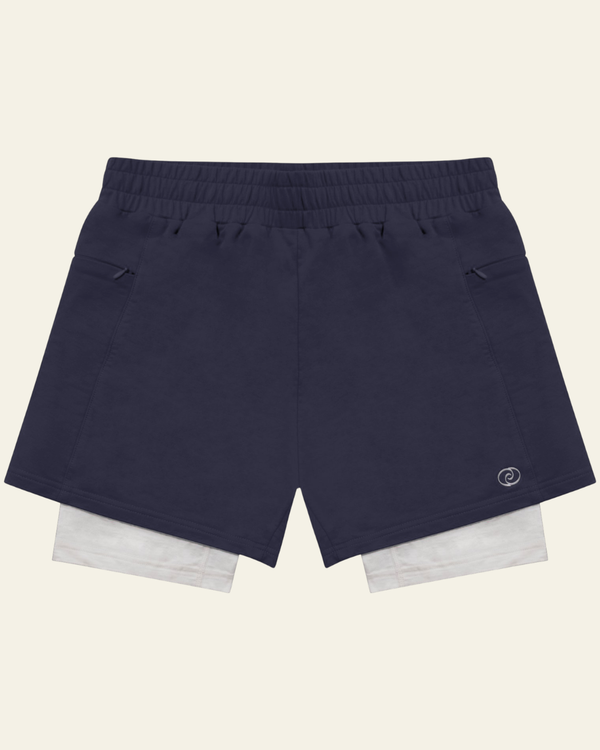
Coming soon
Two new drops this November
Tap one to get first access when it drops.
Get first access
Leave your email and you'll hear the moment it's live.
You're on the list.
Want it by text too? The drop link goes out by text first.
By submitting your number, you agree to receive recurring automated marketing texts from Wayve at the number provided. Consent is not a condition of purchase. Msg & data rates may apply. Reply STOP to unsubscribe.
You're in.
THE PROBLEM
Most activewear is plastic.
Spun from petroleum & plastic bottles
Traps heat & sweat against your skin
Holds onto odor after every wear
Sheds millions of microplastics
Your clothes should work for your health, not against it. Why settle?
Explore Natural Fibers
70% of clothing made today is synthetic, and rising...
Textile Exchange, Materials Market Report 2025
Modern activewear simply isn't healthy


Independent lab testing found polyester-spandex sports bras, leggings, and shirts that could expose wearers to up to 40 times California's safe limit for BPA, a hormone disruptor that mimics estrogen. Named brands included Nike, Athleta, and Patagonia.

In 2026 the Texas Attorney General opened a formal investigation into whether Lululemon misled health-conscious customers about PFAS “forever chemicals” in its apparel. Lululemon denies current use. Separately, an EPA-certified lab found PFAS indicators in roughly 1 in 4 activewear items it tested.

A 2024 study found microplastics in every human testicle sampled, and samples with more plastic had lower sperm counts. A separate New England Journal of Medicine study tied microplastics in arteries to higher heart-attack and stroke risk. The most common plastic found? PET. The same plastic in most activewear.

A single load of synthetic laundry can shed hundreds of thousands of plastic microfibers. Synthetic textiles are now the largest source of microplastic pollution in the ocean. Recycled polyester sheds even more, which is why “recycled” is not the fix it sounds like.

In a published study, men who wore polyester against the body became temporarily infertile, an effect researchers traced to the electrostatic charge generated by the synthetic fabric. It reversed once they stopped. Cotton and wool produced no such charge.
Turns out, it doesn't really perform
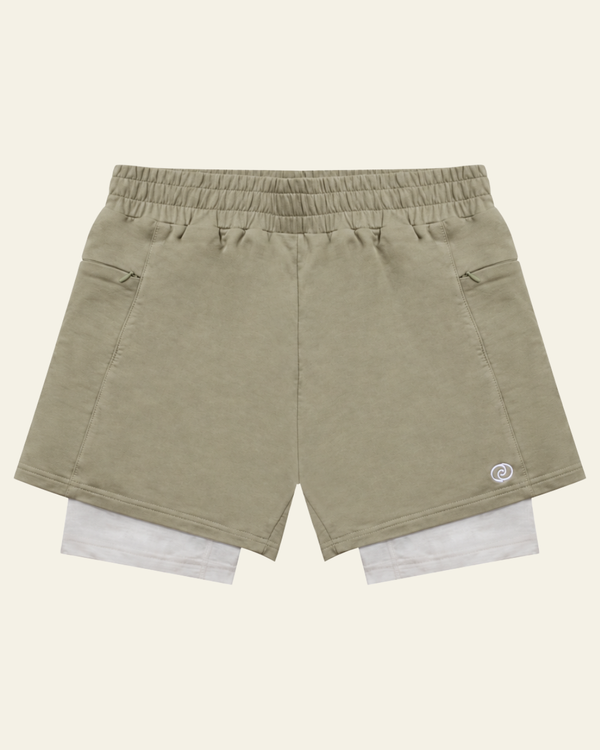
The Quad Short
Click around to see why it stands out

"I tried dozens of natural fiber shorts but none of them looked good, performed well, and were made from high quality natural materials. So I designed the Quad Short and now it's all I wear." — Yahli
Trusted By Experts, Athletes, & More

“I can confidently say Wayve shorts, shirts, and hoodies are some of the finest apparel money can buy. Zero plastic synthetic nonsense like many big brands are shilling these days”
Case Bradford
@Casebradford
50k+ followers
Verified

“After learning that our skin absorbs everything we put on it and also the toxins that are in our clothing, I started paying close attention to what I wear. My fav shorts are from @wayve.wear”
Jules Horn
@jules_horn
1.2M+ followers
Verified

“GOATED brand for organic cotton respectors. I wear Wayve shorts every day. Not paid to post this I just want to see this brand pop off.”
Noah Ryan
@NoahRyanCo
715K+ followers

“MLB Approved! Insanely comfy and organic shorts”
Tyler Schoff
@tschoff29
Professional Baseball Player
Verified

“Activewear brands for guys and girls who care about their materials choices. 100% cotton and merino wool workout sets from Wayve - you do have to keep up with their releases because they sell out fast.”
Oren John
@orenmeetsworld
700K+ followers
Verified

“Organic cotton clothes from @wayvewear 🔥🔥 Quality feels amazing!”
Cooking With Chris
@coookwithchris
800K+ followers
Verified

“I’ve gotten easily 200+ uses out of mine and they’re still holding up. Most underrated part is the zipper pockets too 🔥 literally never have to worry about my phone or keys falling out no matter the activity.”
Jason Pabst
@jasonpabst_
Performance Chef
Verified

“Shorts are too good. I'd invest if I could.”
Coach Paul
@sculptwithpaul
70k+ followers
Verified
Two Fibers. Chosen With Purpose.


Lab Tested for Purity
Certifications audit the supply chain, they don't measure finished garment. So we tested our shorts to be certain they're clean.
The "Why" Behind Wayve

"I never planned on starting a clothing brand, I just had a problem that I couldn't seem to solve.
I was living a clean lifestyle except for my clothing. And I couldn't find anything out there that was made from natural materials, looked good, and was functional for my workouts.
So I taught myself how to make clothes myself and never looked back.
Wayve goes beyond clothing. It represents a way of life that is being lost in the modern day. Natural living, sunlight, movement, real food.
Thanks for being part of the journey."
Shop the Collection


Women's wear coming soon
Sign up to be first in line when they drop.
You're in — want a text when they drop?
By submitting your number, you agree to receive recurring automated marketing texts from Wayve at the number provided. Consent is not a condition of purchase. Msg & data rates may apply. Reply STOP to unsubscribe.
You're on the list. When this drop goes live, you'll know first.
FAQ
Wayve makes 100% natural fiber activewear for men and women. Our core products include:
- Quad Short: dual-layer training short with an organic cotton shell and a merino wool compression liner. Made with GOTS-certified organic cotton.
- Only Tee: Midweight organic cotton tee. Drop shoulder, slightly oversized fit. No logos.
- Classic Short: Organic cotton everyday short. 5" inseam, brushed sweat fabric, three pockets.
- Flow Set: Merino wool biker set (cropped top + high-rise short). The best 100% merino wool biker set in activewear. RWS-certified wool.
GOTS (Global Organic Textile Standard): Certifies the entire production chain for organic cotton.
OEKO-TEX 100: Certifies that dyes and finishes contain no harmful substances.
RWS (Responsible Wool Standard): Certifies ethical treatment of sheep and land management.
Most activewear today is made from synthetic fibers like polyester, nylon, and elastane (or a blend of all three). These materials dominate the industry as over 60% of all clothing globally is now made from polyester alone. It’s cheap and easy for big brands to scale, but it comes with tradeoffs: less breathability, more odor retention, higher toxicity, and a lifetime of microplastic shedding.
Polyester, also known as PET (Polyethylene Terephthalate), is a man-made fiber created from petrochemicals. It’s made by turning crude oil into plastic pellets, which are then spun into yarn. It’s the most common textile on Earth and is produced at higher volumes than cotton, wool, linen, and hemp combined.
Recycled polyester (rPET) is another form of polyester. It is made by melting down plastic scrap such as used plastic bottles or industrial waste. It’s marketed as a sustainable solution, but the core issues remain. It’s still plastic that will shed microplastics and requires heavy chemical processing.
Recycling is good when the material stays in a closed loop. But when plastic becomes clothing, it enters a constant shedding cycle every time it’s worn or washed. Recycled or not, polyester breaks down into microplastics that move into waterways, air, soil, and ice.
The impact is huge and these microplastics take decades to biodegrade. In fact, recycled textiles contribute to 35% of global microplastic pollution. So while recycling does reduce waste in some capacity, its use in clothing introduces its own problems.
The short answer is: yes. Synthetic fibers don’t breathe the same way natural fibers do. They trap heat, sweat, and bacteria against the skin, which can lead to irritation, odor, and discomfort.
When polyester heats up, the chemical finishes used for stretch and wicking can also release more easily. And with every wear and wash, the garment sheds hundreds of thousands of microplastics.
These nano particles have clear links to health issues and have been detected in human bloodstreams and reproductive organs, signaling how quickly they can move into the body and environment.
Natural fibers come from plants and animals. Think organic cotton, merino wool, hemp, linen, silk, leather. They’re made by nature, not in a chemical reactor, and they behave differently on your skin: they breathe, they regulate temperature, they absorb moisture, and they don’t trap odor the way synthetics do.
Unlike polyester, which is a petroleum-based plastic, natural fibers don’t shed microplastics and they biodegrade instead of sitting in landfills for centuries. They keep you cooler, drier, and more comfortable than their synthetic counterparts.
Because what you put on your body matters just as much as what you put in it. Most activewear is made from synthetic fibers (polyester, nylon, spandex) which are all forms of plastic. And that plastic doesn’t just sit passively on the surface. With heat, sweat, and friction, these fibers shed microplastics and chemicals that move into the air, into the water, and eventually into us.
What does that mean long-term? Science is still catching up, but one thing is clear: plastic was never meant to live inside the human body.
Wayve’s philosophy is simple: natural living isn’t just about food. Everything you consume matters — sunlight, movement, the content you take in, the air you breathe, the water you drink… and yes, the clothing you wear for 10–16 hours a day. Your environment shapes your biology. Clothing is part of that environment.
We make plastic-free activewear because we believe your daily habits should work with your body, not against it. Natural fibers breathe, regulate heat, absorb moisture, and eventually return to the Earth without leaving toxins behind.
Yes. Wayve ships to the US and internationally. US orders over $150 ship free.
International orders ship duties-paid. Duties and taxes are included at checkout, so there are no surprise fees on delivery. International orders are considered final sale.